Springtime Centipede Removal Services by Local Contractors
Prepare your property for spring by connecting with local contractors who specialize in centipede removal to ensure a pest-free season.
Spring is a popular season to consider centipede removal because as temperatures rise and outdoor activity increases, these pests often become more active and noticeable around properties. Many property owners find that spring is an ideal time to assess pest issues before they escalate during the warmer months. This season also signals the start of yard and landscape work, making it a convenient opportunity to address pest concerns and implement preventative measures to protect lawns, gardens, and indoor spaces.
Typically, centipede removal services cover a range of approaches aimed at reducing infestations and preventing future issues. These services often include inspection of affected areas to identify the extent of the problem, targeted treatments to eliminate existing pests, and recommendations for ongoing maintenance to discourage future activity. Service providers may also advise on habitat modifications or exclusion techniques to make properties less attractive to centipedes, helping property owners maintain a pest-free environment throughout the season.
When comparing local service providers for centipede removal, property owners should consider factors such as the range of services offered, experience handling similar pest issues, and the methods used for treatment. It’s helpful to seek out providers who are familiar with the local area’s specific pest patterns and environmental conditions. Reading customer reviews and asking for references can also provide insight into the reliability and quality of the work. By evaluating these aspects, property owners can find a contractor that best fits their needs and ensures effective pest management during the spring season.
Compare local contractors’ expertise and experience to find the best fit for your spring centipede removal needs.
- Expert Centipede Removal - Local contractors can assess your property and implement effective removal strategies.
- Spring Pest Prevention Tips - Service providers offer advice on reducing centipede habitats around your home.
- Safe Exclusion Methods - Professionals can seal entry points to prevent future centipede invasions.
- Seasonal Pest Control Planning - Local experts help develop ongoing pest management plans for spring and beyond.
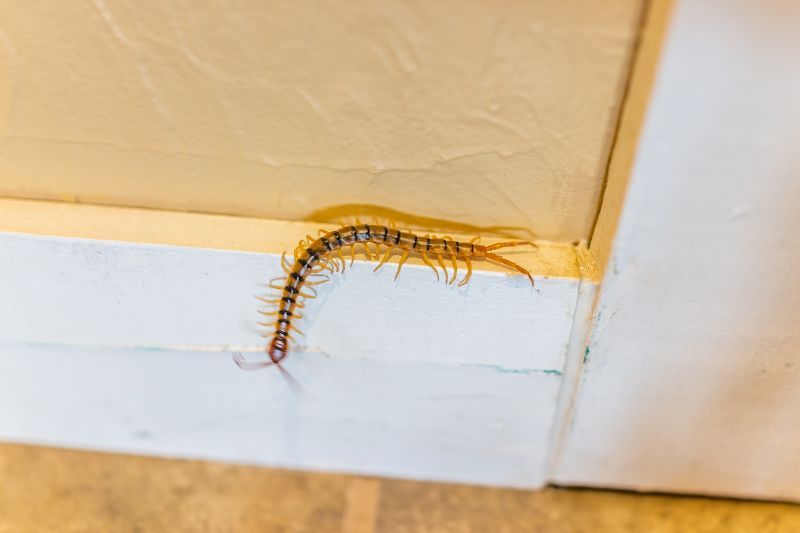
Compare different methods for centipede removal and clearly describe your project to connect with suitable local service providers.
- Inspect outdoor areas for signs of centipedes, such as sightings or shed skins, to identify problem spots. - Look for dark, damp, and cluttered spaces where centipedes may hide during spring.
- Check for moisture issues around the foundation, crawl spaces, and basements that attract centipedes seeking moisture. - Ensure proper drainage and reduce excess moisture to discourage infestations.
- Remove debris, leaves, and wood piles near the home to eliminate potential hiding places for centipedes. - Keep yard and landscaping tidy to reduce attractants.
- Seal cracks, gaps, and entry points around windows, doors, and foundations to prevent centipedes from entering the home. - Service providers can help identify and properly seal these openings.
- Trim back overgrown vegetation and prune shrubs to reduce shaded, moist environments close to the house. - Proper landscaping can limit centipede habitat near the home.
- Consult local contractors for targeted treatments or barrier methods to effectively remove centipedes from the property. - Professionals can assess the extent of the issue and recommend appropriate solutions.
Use this to explore how local contractors can assist with effective centipede removal this spring.



When planning your spring project, consider your priorities and compare local contractors to find the best fit for centipede removal.
- Centipede Removal Planning - Spring is an ideal time to assess outdoor spaces for centipede activity and develop a removal strategy. Local contractors can help identify problem areas and recommend effective solutions.
Preventive Landscaping - Landscaping projects such as trimming foliage and removing debris can reduce centipede habitats, with local service providers offering practical advice and assistance.
Moisture Control Improvements - Addressing excess moisture around the home through drainage or sealing can deter centipedes, with local pros providing guidance on moisture management.
Exterior Barrier Treatments - Applying barrier treatments around foundations and entry points can help keep centipedes out, with local pest control experts able to perform or advise on these applications.
Regular Property Inspections - Conducting seasonal inspections for signs of centipede activity allows for early intervention, with local contractors offering inspection and removal services to maintain a pest-free yard.
Use this scope builder to compare how local contractors approach centipede removal while maintaining consistent service descriptions.
- Identification of Infestation - Determine the extent and specific locations of centipede activity around the property.
- Assessment of Entry Points - Identify cracks, gaps, and other openings where centipedes may be entering the structure.
- Inspection of Surrounding Areas - Evaluate yard and landscape conditions that may attract centipedes or facilitate their movement indoors.
- Selection of Removal Methods - Decide on appropriate techniques, such as physical removal, barriers, or targeted treatments, suitable for the situation.
- Post-Removal Recommendations - Obtain guidance on ongoing prevention strategies and maintenance to reduce future centipede presence.
When comparing contractors for centipede removal during the spring season, it is helpful to consider their experience with similar pest control projects. Service providers who have handled centipede infestations in residential settings can offer insights into effective strategies and common challenges encountered during springtime treatments. An experienced contractor will often have a history of working with homes similar in size and layout, which can contribute to a more efficient and targeted approach. Evaluating the background of local contractors in managing centipedes can help ensure that the chosen professional understands the specific behaviors and habitats of these pests during the spring months.
Clear communication about the scope of work is essential when selecting a service provider. A detailed description of the planned treatment process, including areas to be treated and methods used, allows homeowners to understand what to expect and assess whether the approach aligns with their needs. Contractors who provide written summaries of their services demonstrate transparency and help prevent misunderstandings. During spring, when pest activity increases, having a well-defined scope ensures that the treatment plan addresses the entire property effectively and that homeowners are aware of the steps involved.
Work planning considerations are particularly important in the spring season, as this is a time of active pest movement and property renewal. Local contractors who consider seasonal factors-such as landscaping, outdoor activity, and weather conditions-can better coordinate treatments to maximize effectiveness. Understanding how a service provider plans their work, including scheduling and preparation steps, can influence the success of the project. Homeowners should inquire about how the contractor plans to approach the job, ensuring that the timing and methods align with springtime conditions and property-specific needs.
Evaluating options without focusing on prices involves examining the experience, scope clarity, and planning approach of local service providers. Homeowners can compare how well each contractor understands pest behaviors during spring, the thoroughness of their service descriptions, and their approach to scheduling and execution. Considering these factors helps identify professionals who are well-equipped to handle centipede removal effectively during this active season. This approach ensures that the selection process is based on quality and suitability, rather than cost alone, leading to more informed decisions when addressing springtime pest concerns.
Ask for written details to ensure clear understanding of scope when planning spring centipede removal.
- Service Scope - What specific centipede removal services do local contractors typically offer during spring?
- Provider Comparison - How do different local service providers vary in their approach to centipede control?
- Seasonal Planning - What spring-specific factors should be considered when selecting a centipede removal provider?
- Treatment Methods - How do the methods used by local contractors differ in effectiveness for springtime centipede control?
- Experience & Expertise - What experience levels or areas of expertise should be prioritized when choosing local pros for centipede removal?
What are the signs of a centipede infestation? Common indicators include sightings of centipedes indoors, especially in damp areas like basements, bathrooms, or near drains, along with the presence of shed exoskeletons or small holes in walls and flooring.
Why is spring a good time for centipede removal? Spring often brings increased moisture and warmth, which can attract centipedes indoors, making it an ideal season to address and prevent infestations with professional removal services.
How do local contractors typically remove centipedes? They usually use targeted treatments to eliminate centipedes and their hiding spots, along with sealing entry points to prevent future invasions.
Are there preventative steps to reduce centipede presence? Yes, reducing moisture around the property, sealing cracks and gaps, and removing debris and clutter can help deter centipedes from entering the home.
What should I consider when choosing a centipede removal service? Look for experienced local service providers who use effective treatment methods and can tailor solutions to your property's specific needs.
How can connecting with local pros help with centipede issues this spring? They can assess the situation, recommend appropriate removal strategies, and implement solutions to keep your home centipede-free during the season.
This spring, addressing centipede problems can help prepare your home for the warmer months ahead. Visitors have learned about effective removal strategies and the importance of professional assistance to manage these pests safely and efficiently. By exploring options from trusted local contractors, homeowners can find the right solution tailored to their specific needs.
To find the best fit for centipede removal, consider using the quote form to compare local service providers. This allows for an easy way to connect with experienced local pros who can handle the job, helping to make informed decisions based on your unique situation.
Providing clear details about your centipede removal needs helps local contractors understand your project and connect you with the right experts.
- Identification - Share details about the presence of centipedes or signs of an infestation in your property.
- Location - Describe the areas where centipedes are commonly seen or where they tend to hide.
- Property Type - Specify the type of property needing treatment, such as residential or commercial spaces.
- Previous Treatments - Mention any prior pest control efforts or treatments related to centipede issues.